
Rights and Resources Initiative and Rainforest Foundation Norway are thrilled to announce the launch of the Path to Scale dashboard, a new open-source online tool that gives easy access to donor funding data for Indigenous Peoples’, Afro-descendant Peoples’, and local communities’ tenure and forest guardianship.

The recent release of the Second Edition of Who Owns the World’s Land? offers an important moment to take stock of the global state of Indigenous, Afro-descendant, and local community land rights recognition. The data in the report covers 73 countries, which cumulatively comprise 85% of the world's land area, and gives a comprehensive snapshot of the global landscape for community land rights at a critical moment for people and the planet. Here are five of the biggest takeaways from the report.

In the lead-up to COP28, amid a growing push to restore degraded and deforested lands as natural climate solution, a new peer-reviewed study shows better outcomes when Indigenous Peoples and local communities are in charge.

More than 300 representatives of Indigenous Peoples, local communities, governments, donors, and NGOs from 47 African countries gathered last month in Namibia to collectively develop a strategy for community-led and people-centered conservation in Africa.

Co-authored with 15 organizations from across Asia—spanning youth groups, Indigenous networks, and ally organizations—this new report collates and brings to the fore the experiences and leadership of youth activists from across the continent into a call to action.

More than 100 participants from 11 countries gathered in Arusha, Tanzania, this week for the 4th Conference of National Land Institutions in Africa, working to secure community land rights.

Women leaders from Africa, Asia, and North and South America gather in Brazzaville to strengthen the global solidarity movement for women-led initiatives to protect biodiversity and build climate resilience.
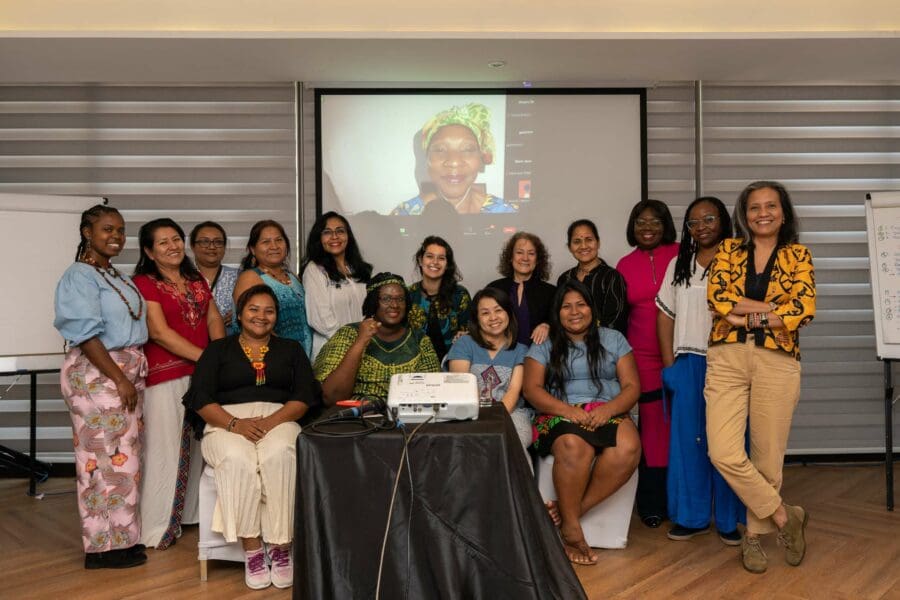
Members of the new network agree to create more documentation on land rights and governance processes for Indigenous, Afro-descendant, and local community women; call for strengthening advocacy capacity.

RRI marked the beginning of 2023 with a global dialogue on Rights-Based Conservation and Climate Approaches, co-hosted with the Embassy of Sweden in Washington DC.

The Stockholm+50 associated event aimed to highlight the role and importance of Indigenous peoples and local communities in safeguarding the world’s forests, ecosystems, and biodiversity. The event was one of three collaborative events held on June 1st at Sida ahead ofStockholm+50, co-arranged by Sida, The Tenure Facility, SwedBio, The Rights and Resource Initiative, and the Focali – SIANI Dialogue Forum.

Rights and Resources Initiative expresses its solidarity with the leaders of the Indigenous rights movement in Ecuador who are being criminalized for exercising their legitimate right to mobilize and defend their human rights.

A new study led by biologists at University of Amsterdam shows that the minimum land area requiring urgent conservation attention to safeguard Earth’s biodiversity is 64 million square km, equalling 44% of the planet’s terrestrial area.

We are delighted to share that Rights and Resources Initiative (RRI) has received an unrestricted grant of USD 15 million from Philanthropist MacKenzie Scott to support the recognition of land and resource rights of Indigenous Peoples, Afro-descendant Peoples and local communities across the world – including the women within these groups.

The increased interest in carbon markets comes with a number of risks. Many forest carbon offsetting schemes are located in lands historically claimed, inhabited, and used by Indigenous Peoples and local communities but oftentimes the rights of these communities have not been secured, putting their well-being at risk — and threatening the future of carbon markets.
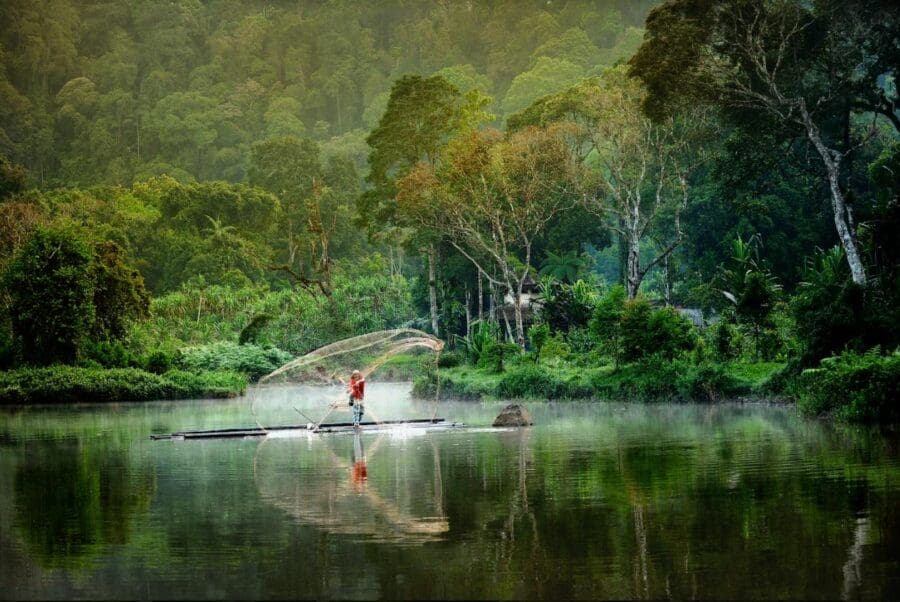
This report is a product of an extensive collaboration between 20 Indigenous and local community organizations across Asia, and brings together data and stories from communities on the ground to re-position global human rights and conservation discourses at the center of Asia’s unique political realities. It frames conservation beyond being an issue of natural resource management and highlights the question of governance, autonomy, and sovereignty of Indigenous Peoples and local communities to achieve their self-determined development aspirations.
The spread of COVID-19 has laid bare the structural inequity in India. Even with massive vaccination drives underway, the country's Adivasis, forest-dwelling communities, and other tribal communities living outside the reach of mainstream healthcare systems continue to be excluded.
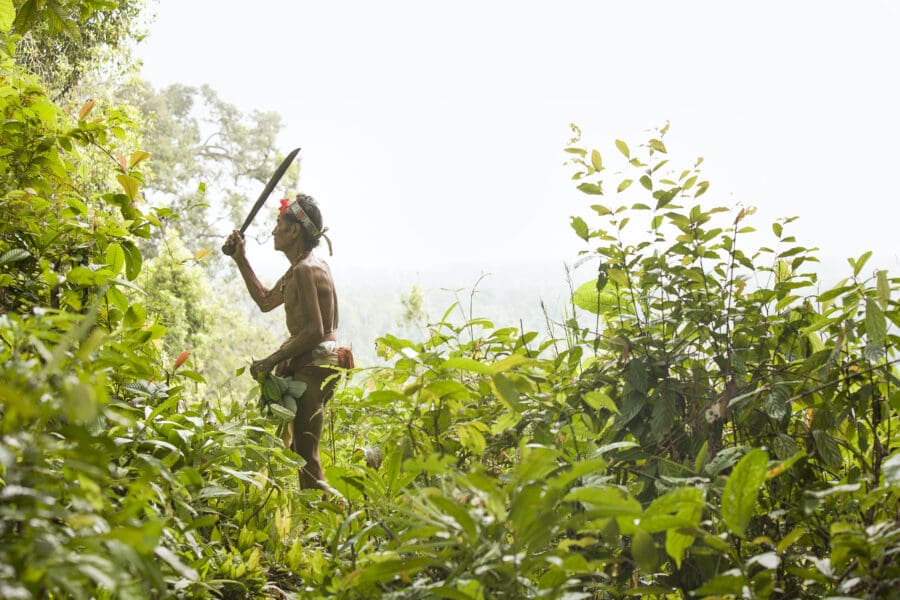
As the role played by Indigenous Peoples and local communities in safeguarding the planet gains long-due recognition by global climate and conservation initiatives, their representatives and allies have launched a new mechanism to finance locally-led efforts with full respect for the rights of Indigenous Peoples and local communities.
The Rights and Resources Initiative (RRI), the Global Alliance of Territorial Communities (GATC) and the Campaign for Nature (C4N) receive grant from Bezos Earth Fund to jointly scale up the recognition of tenure rights of Indigenous Peoples, local communities, and Afro-descendant Peoples in the Tropical Andes and Congo Basin.

A new report by the Forest Carbon Partnership Facility (FCPF), a global partnership for successfully reducing emissions from deforestation and forest degradation, and the World Bank’s fund for Enhancing Access to Benefits while Lowering Emissions (EnABLE), outlines tangible ways global communities can make inroads in the effort to mitigate climate change through strengthening Indigenous sovereignty.

Nature-Based Solutions are broadly defined as solutions to societal challenges that involve working with nature. When anchored in culturally appropriate solutions and the self-determined priorities of local peoples, nature-based actions have the potential to strengthen synergies, transform human-environment interactions, and effectively drive system-wide transformation.

A high-level discussion convened by RRI and the FCDO, UK sought to address the ownership gap in collective land rights to tackle climate change and biodiversity loss.

As rising pollution levels, accelerating climate change, and population growth accumulate pressure on the world’s freshwater resources, there has never been a greater need to legally secure the freshwater rights of the Indigenous peoples and local communities who claim and steward over half of the world’s land — including vital watersheds that sustain healthy aquatic and terrestrial ecosystems.
The recent IPCC report was the first to recognize the critical importance of securing indigenous and community land rights as a climate solution.
RRI’s Strategic Analysis and Global Engagement Director Alain Frechette discusses the evidence behind this finding.

The GLF summit presented the first draft of a ‘gold standard’ on rights, which will define the principles of secure and proper rights to be applied by public, private and non-profit actors in the implementation of policies, business and initiatives in global landscape. “We wish to establish that the respect of our rights is non-negotiable,” said Joan Carlin of the Indigenous Peoples Major Group for Sustainable Development (IPMG), which leads the initiative together with the Rights and Resources Initiative (RRI).